 Reviews


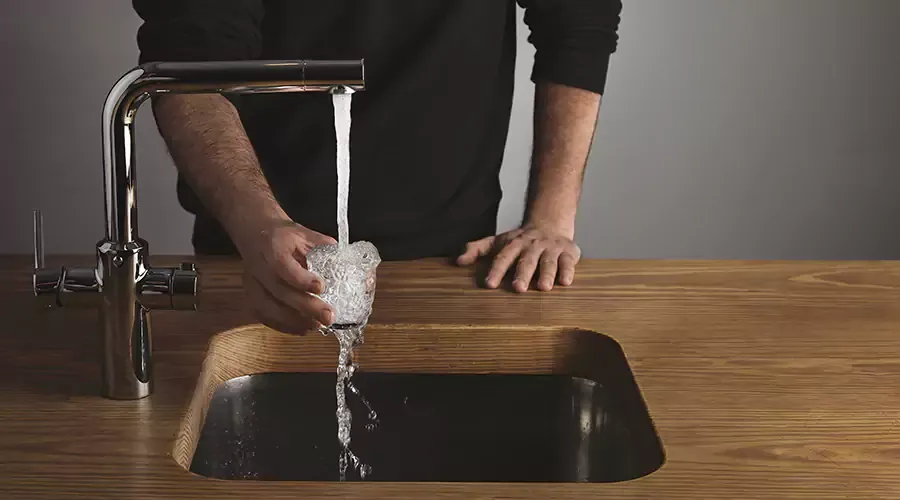
Hard water is one of the most common water quality issues in American homes. Nearly 85 percent of homes have hard water. If you have white scale on faucets, spots on glasses, or dry skin after showering, you likely have hard water. But the real damage happens inside your appliances where you cannot see it. Hard water quietly destroys water heaters, dishwashers, washing machines, and coffee makers. Regular water softener maintenance can help prevent this damage and extend the life of your appliances. This guide explains how and what you can do about it.
What Is Hard Water?
Hard water contains high levels of dissolved minerals, primarily calcium and magnesium. Water hardness is measured in grains per gallon (GPG). Levels above 7 GPG are considered hard. Most homes with hard water fall into the hard or very hard categories. When water is heated or evaporates, the minerals form solid deposits called scale.
How Hard Water Damages Appliances?
Scale buildup is the main problem. Scale acts as an insulation layer. It traps heat and forces appliances to work harder and longer. This leads to higher energy bills, premature part failure, and shorter appliance lifespans.
Appliance 1: Water Heater
Your water heater suffers the most damage. Scale buildup on the heating element or inside the tank acts as insulation. The heater runs longer and uses more energy.
What hard water does:
- Scale accumulates at the bottom of the tank.
- The sediment traps heat, causing the tank bottom to crack.
- Heating elements burn out more frequently.
- Tank capacity is reduced as sediment takes up space.
A water heater on hard water lasts 8 to 10 years instead of 12 to 15. It uses 15 to 30 percent more energy.
Appliance 2: Dishwasher
Hard water reacts with detergent to form soap curd that sticks to dishes. White film appears on glasses and spots on silverware.
What hard water does:
- Scale blocks spray arm holes, reducing water pressure.
- The heating element becomes coated with scale.
- The detergent dispenser can stick.
- The drain pump can seize.
- Dishes come out dirty, forcing rewashing.
A dishwasher in a hard water home often fails within 5 to 7 years instead of 10. You use up to twice as much detergent.
Appliance 3: Washing Machine
Hard water prevents laundry detergent from dissolving properly. Soap residue stays in clothes, making them feel stiff.
What hard water does:
- Scale builds up inside the drum and on the heating element.
- Water inlet valves become clogged, slowing fill times.
- The drain pump can fail.
- Clothes wear out faster because minerals act as abrasives.
A washing machine in hard water lasts 5 to 8 years instead of 10 to 14. You need 30 to 50 percent more detergent.
Appliance 4: Coffee Maker and Keurig
Small appliances show hard water damage first. Narrow internal tubes and small heating elements are highly vulnerable.
What hard water does:
- Scale blocks internal water lines, reducing flow.
- The heating element overheats and fails.
- The water reservoir becomes coated with white film.
- The machine shuts down with error codes.
Most coffee makers last only 1 to 2 years in hard water homes instead of 5 years or more.
Appliance 5: Refrigerator Ice Maker
The small water line and internal valve are easily clogged by mineral deposits.
What hard water does:
- The water inlet valve sticks open or closed.
- Ice cubes come out cloudy or with white particles.
- The ice maker mechanism freezes up.
- The water dispenser flow drops to a trickle.
Replacing a refrigerator water inlet valve costs 150 to 300 dollars. An ice maker assembly costs 300 to 500 dollars. Hard water scale is the usual cause.
How to Know If You Have Hard Water?
Look for these signs in your home:
- White scale on faucets, showerheads, and drains
- Soap scum rings in bathtubs and showers
- Spots and film on glassware and dishes
- Clothes that feel stiff or look dingy
- Dry, itchy skin and dull hair
- Low water pressure from clogged fixtures
For a precise measurement, buy a water hardness test strip kit at any hardware store. They cost less than 15 dollars.
Solutions for Hard Water
You have options to protect your appliances.
Water softener:
- A whole house water softener removes calcium and magnesium through ion exchange.
- It uses resin beads and a salt brine solution.
- A softener costs 500 to 2,000 dollars installed, plus ongoing salt costs.
- It protects every appliance in your home.
Salt free water conditioner:
- This system changes the structure of minerals so they do not form scale.
- It is cheaper to operate but less effective than a true softener.
Descaling treatments:
- Run vinegar through your coffee maker monthly.
- Flush your water heater annually.
- Run an empty dishwasher cycle with a cup of white vinegar.
- These treatments remove existing scale but do not prevent new scale.
Prevention Tips
- Test your water hardness once a year.
- Flush your water heater annually to remove sediment.
- Use dishwasher and laundry detergents formulated for hard water.
- Clean faucet aerators and showerheads every three months.
- Consider a water softener if your hardness is above 7 GPG.
Final Thoughts
Hard water is safe to drink and bathe in. But it slowly destroys your appliances. Water heaters, dishwashers, washing machines, coffee makers, and refrigerators all suffer. The cost of replacing appliances years early adds up to thousands of dollars. A water softener is a significant upfront investment, but it pays for itself through longer appliance life, lower energy bills, and reduced detergent use. Test your water hardness today. If you have hard water, take action before your next appliance fails.